Showing posts with label Movies. Show all posts
Showing posts with label Movies. Show all posts
4.1.16

3.1.16
Stuff I liked in 2015
As always, this list is purely personal, not just in terms of reflecting my tastes, but also because it's about what I found in 2015, regardless of when it was made.
Films


Mad Max: Fury Road
A masterclass in minimalist world-building. Fury Road paints a weird, vibrant, thrilling world that it trusts you to pick up as you go along, never slowing the action to spell out what you can infer or imagine.
Captain Philips
Naturalistic filmmaking that puts the audience on board as the captain of a container ship negotiates with the pirates that are trying to hijack it. An edge-of-your-seat story with a large dollop of veracity.
John Wick
I feel like I’m losing my taste for slick, stylised violence, especially the kind that glorifies dudes taking out their grievances on strangers. Nevertheless, John Wick is a film that violences real good.
Books

Leviathan Wakes - James S.A. Corey
The first in a series of science fiction page-turners that manages to keep the space adventuring grounded and believable, even as a crew of misfits and a hard-drinking detective uncover a conspiracy that reaches far beyond the politically divided solar system.
Annihilation - Jeff Vandemeer
“Eerie and unsettling”, the blurb on the back of the book says. And then some. An utterly riveting journey into a bizarre wilderness.
A Darker Shade of Magic - V.E. Schwab
Alternate Londons, dangerous magic and sadistic tyrants make for a charming fantasy.
Comics

Ms. Marvel - G. Willow Wilson, et al.
If you read one superhero comic, read this.
Rocket Raccoon - Skottie Young, et al.
Colourful adventures in space with everyone’s new favourite interstellar rodent.
Fuse - Antony Johnston, Justin Greenwood, et al.
A police odd couple solve crimes on a space station. Given the restrained tone, I found it a bit disappointingly soft in the sci-fi stakes, but the characters are great and the whodunnits genuinely engrossing.
TV

Person of Interest
We’re only up to season 3 of this show in the UK, but it’s still some of the best science fiction TV out there (masquerading as, ick, a crime procedural). Three-dimensional characters deal intelligently with thought provoking and important themes - without forgetting to get mixed up in plenty of gripping drama while they’re at it.
The Flash
So at this point the Arrowverse is shaping up to be TV’s Marvel Cinematic Universe (only with lesser-known DC characters), and this is it at its fun, imaginative, colourful best.
Parks and Recreation
Imagine The West Wing, but with really low stakes. Then fill it with great characters that the show clearly has lots of affection for. Pierce lid. Microwave for five minutes. Excellent television.
Video Games

Soma
I loved everything about this game. It certainly has its flaws, but I didn't mind any of them. An unflinchingly honest exploration of some of the more uncomfortable ideas in science fiction, in a gruesomely beautiful underwater setting, with cool non-human characters, scary monsters, and tonnes of widgets to fiddle with. Loved it, loved it, loved it.
Alien Isolation
A remarkable love letter to Ridley Scott’s original 1979 horror film. The game may never be quite sure what to do with itself, but exploring a note-perfect extension of the world of Alien, while being stalked by cinema’s most memorable monster, was always going to be something that would win me over.
Invisible Inc.
I do like me some stealth games. I play them methodically, slowly, carefully - exploring everything. Invisible Inc. is a turn-based stealth game that aims to change everything calcified and clichéd in the genre, turning my play style on its head and encouraging nail-biting, carefully planned risk taking. I imagine people will be talking about the design of this game for many, many years to come.
Films


Mad Max: Fury Road
A masterclass in minimalist world-building. Fury Road paints a weird, vibrant, thrilling world that it trusts you to pick up as you go along, never slowing the action to spell out what you can infer or imagine.
Captain Philips
Naturalistic filmmaking that puts the audience on board as the captain of a container ship negotiates with the pirates that are trying to hijack it. An edge-of-your-seat story with a large dollop of veracity.
John Wick
I feel like I’m losing my taste for slick, stylised violence, especially the kind that glorifies dudes taking out their grievances on strangers. Nevertheless, John Wick is a film that violences real good.
Books

Leviathan Wakes - James S.A. Corey
The first in a series of science fiction page-turners that manages to keep the space adventuring grounded and believable, even as a crew of misfits and a hard-drinking detective uncover a conspiracy that reaches far beyond the politically divided solar system.
Annihilation - Jeff Vandemeer
“Eerie and unsettling”, the blurb on the back of the book says. And then some. An utterly riveting journey into a bizarre wilderness.
A Darker Shade of Magic - V.E. Schwab
Alternate Londons, dangerous magic and sadistic tyrants make for a charming fantasy.
Comics

Ms. Marvel - G. Willow Wilson, et al.
If you read one superhero comic, read this.
Rocket Raccoon - Skottie Young, et al.
Colourful adventures in space with everyone’s new favourite interstellar rodent.
Fuse - Antony Johnston, Justin Greenwood, et al.
A police odd couple solve crimes on a space station. Given the restrained tone, I found it a bit disappointingly soft in the sci-fi stakes, but the characters are great and the whodunnits genuinely engrossing.
TV

Person of Interest
We’re only up to season 3 of this show in the UK, but it’s still some of the best science fiction TV out there (masquerading as, ick, a crime procedural). Three-dimensional characters deal intelligently with thought provoking and important themes - without forgetting to get mixed up in plenty of gripping drama while they’re at it.
The Flash
So at this point the Arrowverse is shaping up to be TV’s Marvel Cinematic Universe (only with lesser-known DC characters), and this is it at its fun, imaginative, colourful best.
Parks and Recreation
Imagine The West Wing, but with really low stakes. Then fill it with great characters that the show clearly has lots of affection for. Pierce lid. Microwave for five minutes. Excellent television.
Video Games

Soma
I loved everything about this game. It certainly has its flaws, but I didn't mind any of them. An unflinchingly honest exploration of some of the more uncomfortable ideas in science fiction, in a gruesomely beautiful underwater setting, with cool non-human characters, scary monsters, and tonnes of widgets to fiddle with. Loved it, loved it, loved it.
Alien Isolation
A remarkable love letter to Ridley Scott’s original 1979 horror film. The game may never be quite sure what to do with itself, but exploring a note-perfect extension of the world of Alien, while being stalked by cinema’s most memorable monster, was always going to be something that would win me over.
Invisible Inc.
I do like me some stealth games. I play them methodically, slowly, carefully - exploring everything. Invisible Inc. is a turn-based stealth game that aims to change everything calcified and clichéd in the genre, turning my play style on its head and encouraging nail-biting, carefully planned risk taking. I imagine people will be talking about the design of this game for many, many years to come.
11.1.15
2014: Stuff I Thought was Cool
Better late than never: the definitive list of stuff I found and liked in 2014. A lot of superhero stuff this time.


Guardians of the Galaxy
Captain America: Winter Soldier
These two films, both critical and commercial successes, are radically different approaches to making a Marvel movie. One builds heavily on the shared universe, the other strikes out into strange new territory. Both barely seem like superhero stories.
Man of Tai Chi
So Keanu Reeves' directorial debut is a great kung fu film and also a solid bit of filmmaking. How 'bout that.
Honourable Mention: Sanjuro

Railsea - China Mieville
It's Moby Dick on a train, only deeper and stranger than that.
The Night Circus - Erin Morgenstern
Engrossing, imaginative and magical.
Ancillary Justice - Ann Leckie
A nuanced and carefully constructed space opera with a fantastic main character.
Honourable Mention: Embassytown - China Mieville
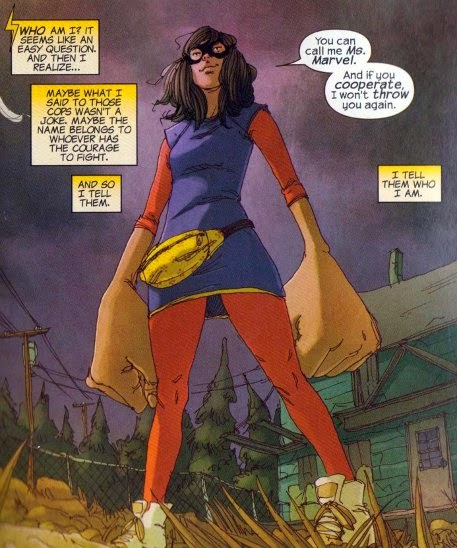
Ms Marvel - G. Willow Wilson, Adrian Alphona, et al.
A nice balance of fun superheroics and down-to-earth character drama. A lot of bollocks has been written about Kamala Khan, but the simple fact is that she's a great everyman protagonist.
Hawkeye - Matt Fraction, David Aja et al.
A low key, character-led comic in which your least-favourite Avenger turns out to be a loveable loser trying to do best by those around him.
Saga - Brian Vaughn, Fiona Staples et al.
The new 20th Century Boys in terms of these end-of-year lists of mine.
Honourable Mention: Black Widow - Nathan Edmondson, Phil Noto et al.

Person of Interest
I avoided this show reflexively at first, assuming it was yet another post-9/11 show about questioning rights and freedoms as though they were ambiguous or even undesirable. But no, it's actually a stealth science fiction show with a much better treatment of privacy and exceptional power than you might expect.
Arrow
That dark, gritty, camp, out-of-this-world action show about Robin Hood.
Smallville
The New Adventures of Superguy and Robin Hood, guest starring Martian Detective.
Honourable Mention: Sleepy Hollow

Valkyria Chronicles
The World War 2 era fantasy land is beautifully realised, the melodrama can be surprisingly affecting and the real-time-meets-turn-based gameplay is addictive.
Shadowrun Returns
A solid and fun cyberpunk roleplaying game.
The Stanley Parable
Big, funny and clever.
Honourable Mention: Phoenix Wright: Ace Attorney
Films
Guardians of the Galaxy
Captain America: Winter Soldier
These two films, both critical and commercial successes, are radically different approaches to making a Marvel movie. One builds heavily on the shared universe, the other strikes out into strange new territory. Both barely seem like superhero stories.
Man of Tai Chi
So Keanu Reeves' directorial debut is a great kung fu film and also a solid bit of filmmaking. How 'bout that.
Honourable Mention: Sanjuro
Books
Railsea - China Mieville
It's Moby Dick on a train, only deeper and stranger than that.
The Night Circus - Erin Morgenstern
Engrossing, imaginative and magical.
Ancillary Justice - Ann Leckie
A nuanced and carefully constructed space opera with a fantastic main character.
Honourable Mention: Embassytown - China Mieville
Comics
Ms Marvel - G. Willow Wilson, Adrian Alphona, et al.
A nice balance of fun superheroics and down-to-earth character drama. A lot of bollocks has been written about Kamala Khan, but the simple fact is that she's a great everyman protagonist.
Hawkeye - Matt Fraction, David Aja et al.
A low key, character-led comic in which your least-favourite Avenger turns out to be a loveable loser trying to do best by those around him.
Saga - Brian Vaughn, Fiona Staples et al.
The new 20th Century Boys in terms of these end-of-year lists of mine.
Honourable Mention: Black Widow - Nathan Edmondson, Phil Noto et al.
TV
Person of Interest
I avoided this show reflexively at first, assuming it was yet another post-9/11 show about questioning rights and freedoms as though they were ambiguous or even undesirable. But no, it's actually a stealth science fiction show with a much better treatment of privacy and exceptional power than you might expect.
Arrow
That dark, gritty, camp, out-of-this-world action show about Robin Hood.
Smallville
The New Adventures of Superguy and Robin Hood, guest starring Martian Detective.
Honourable Mention: Sleepy Hollow
Video Games
Valkyria Chronicles
The World War 2 era fantasy land is beautifully realised, the melodrama can be surprisingly affecting and the real-time-meets-turn-based gameplay is addictive.
Shadowrun Returns
A solid and fun cyberpunk roleplaying game.
The Stanley Parable
Big, funny and clever.
Honourable Mention: Phoenix Wright: Ace Attorney
2.1.14
2013: Stuff I Found and Liked
Film

A Cat in Paris
A short and delightful film about a cat's friendships with a grieving little girl and a professional thief.
No
Charting the party political broadcasts that aired against Pinochet during the referendum that ended his dictatorship, this film alternates between moments of levity and vulnerability, all filmed in a gloriously ugly-beautiful video cassette style.
Thor: The Dark World
It made me laugh, it used its London locations well and by now the Marvel Cinematic Universe has me hook, line and sinker.
Books

Ready Player One - Ernest Cline
Relentless retro nostalgia can't hide the fact that this book cares for its characters, even as it puts them through virtual reality hell.
King of Air Fighters - Ira Jones
This hagiography of Edward "Mick" Mannock is as interesting for its undisguised bias as its charting of the life of one of the most important airmen of the First World War.
Blue Remembered Earth - Alastair Reynolds
A solid work of science fiction by one of my favourite authors in the genre.
Comics

Gunnerkrigg Court - Thomas Siddell
I caught up on the hard-copy editions of this webcomic a few months ago, and it's as imaginative and winsome as ever.
21st Century Boys - Naoki Urasawa
This two volume conclusion to Urasawa's 20th Century Boys wraps up what is probably one of my all-time favourite stories - a genre-spanning epic which always has more surprises up its sleeve.
Knights of Sidonia - Tsutomu Nihei
To some this is the comic where Nihei sold out, but in applying his strange blend of M.C. Escher and H.R. Giger to the space opera genre he's created something I find appealingly strange.
Television

Community
Is this a sitcom, or one long, carefully choreographed battle against genre, tropes and expectations? Inventive, imaginative and - beneath its cynical and sarcastic exterior - heartfelt and compassionate.
Fringe
The fifth and final season was by far the weakest, but it's hard to hold a grudge against such a genuine effort to bid fond farewell to this likeable cast of oddballs.
Adventure Time
Genuine characters experience mind-blowingly unreal situations across a bizarre fantasy land. What's not to like?
Video Games

Minecraft
I may be a bit late to the party, but this really is the game that has everything. Build a home, explore strange and dangerous countryside, fight monsters. Imagination is both encouraged and rewarded.
Kerbal Space Program
No shit, if you've visited here over the past year. Fun, challenging and open-ended.
A Dark Room
This game starts out simply enough that I dismissed it out of hand when I first encountered it. The next time, I lingered a little longer and quickly found a game that consistently ramps up the scale each time you think you've got a handle on it. Also a superlative example of minimalist world-building.
7.1.13
2012: Cool Stuff from the Year the World Ended
Belatedly, it's that completely personal and arbitrary annual list of stuff I found last year and really liked. This time for A.D. 2012: the year the media told us people believed the world would end, but almost nobody actually did, and it didn't.
---Movies

The Raid
A combination of incredible, relentless fight choreography and note-perfect direction make this the best action film in years - if not decades.
The Avengers (a.k.a. Marvel Avengers Assemble)
Not just the pay-off for all the fun Marvel superhero films that led up to it, but a special effects blockbuster where the dialogue is just as fun, if not more so, than the explosions.
The Artist
This beautifully filmed drama is a delightful homage to silent cinema.
---Books

The Scar - China Mieville
A typically uncompromising and imaginative fantasy from Mieville, this time taking a decidedly nautical bent and thoroughly conjuring the true immensity and depths of the sea - plus the strange terror of its uncommon denizens.
Knight of Germany - Professor Johannes Werner
The authorised biography of Oswald Boelcke, the father of air fighting tactics. Much of the book consists of Boelcke's letters home, offering a great insight into one of the world's most interesting historical figures. Werner's commentary, meanwhile, almost seems to embody the insecurity of thirties Germany all too neatly.
Rise of the Videogame Zinesters - Anna Anthropy
Like A Room of One's Own, but with more Mario.
---Comics and Manga

20th Century Boys - Naoki Urasawa
The third year running that this genre-defying epic has appeared on my end-of-year list. If I haven't conveyed my love for it by now, I guess I never will.
Batgirl - Bryan Q. Miller et al.
The first truly satisfying big-name superhero comic I've ever read, that provides a satisfying conclusion for a comic-book character with one of the most devoted fan-bases around.
Saga - Brian K. Vaughan, Fiona Staples
Inspired in no small part by Star Wars, this science fantasy comic mixes space ships and magic, robots and ghosts - while also not shying away from fully fleshing out the ugly side of its unreal galaxy.
---TV Shows

Fringe
Some shows grow on you. Some shows you know you'll love from the first episode. For me, Fringe was the latter.
You could pitch this show as "The X-Files with real story arcs and a consistent mythology", but it's so much more than that. Starting out as a show about a mad scientist helping the FBI deal with mad science crimes, it sprawls into an epic saga with a broad cast of likeable characters, an endless parade of imaginative gimmicks and a ready supply of heart-wrenching drama.
Chuck
Superficially a nerd wish-fulfilment fantasy, this tale of a white-collar loser turned super-spy won me over with its self-awareness, lovably weird characters, cheerful tone and consistent knack for making me laugh.
The Yogscast
Video game content that values the experience of playing games rather than regurgitating advertising copy. Exactly the kind of stuff television channels seem to have no interest in showing me.
---Games

Dishonoured
World-building is the part of fiction at which games excel, and the world of Dishonoured is intriguing, imaginative, atmospheric and exactly my cup of tea. Also one of the year's many examples of something achieving success outside the narrow military shooter genre that seemed to be dominating the medium.
Xenoblade Chronicles
The Japanese role-playing game we've all been waiting for, set in a mindbogglingly massive and beautifully realised fantasy world.
Metal Gear Solid 3: HD Edition
The perfect storm of complex stealth gameplay, over-the-top characters and barmy storytelling.
---Movies

The Raid
A combination of incredible, relentless fight choreography and note-perfect direction make this the best action film in years - if not decades.
The Avengers (a.k.a. Marvel Avengers Assemble)
Not just the pay-off for all the fun Marvel superhero films that led up to it, but a special effects blockbuster where the dialogue is just as fun, if not more so, than the explosions.
The Artist
This beautifully filmed drama is a delightful homage to silent cinema.
---Books

The Scar - China Mieville
A typically uncompromising and imaginative fantasy from Mieville, this time taking a decidedly nautical bent and thoroughly conjuring the true immensity and depths of the sea - plus the strange terror of its uncommon denizens.
Knight of Germany - Professor Johannes Werner
The authorised biography of Oswald Boelcke, the father of air fighting tactics. Much of the book consists of Boelcke's letters home, offering a great insight into one of the world's most interesting historical figures. Werner's commentary, meanwhile, almost seems to embody the insecurity of thirties Germany all too neatly.
Rise of the Videogame Zinesters - Anna Anthropy
Like A Room of One's Own, but with more Mario.
---Comics and Manga

20th Century Boys - Naoki Urasawa
The third year running that this genre-defying epic has appeared on my end-of-year list. If I haven't conveyed my love for it by now, I guess I never will.
Batgirl - Bryan Q. Miller et al.
The first truly satisfying big-name superhero comic I've ever read, that provides a satisfying conclusion for a comic-book character with one of the most devoted fan-bases around.
Saga - Brian K. Vaughan, Fiona Staples
Inspired in no small part by Star Wars, this science fantasy comic mixes space ships and magic, robots and ghosts - while also not shying away from fully fleshing out the ugly side of its unreal galaxy.
---TV Shows

Fringe
Some shows grow on you. Some shows you know you'll love from the first episode. For me, Fringe was the latter.
You could pitch this show as "The X-Files with real story arcs and a consistent mythology", but it's so much more than that. Starting out as a show about a mad scientist helping the FBI deal with mad science crimes, it sprawls into an epic saga with a broad cast of likeable characters, an endless parade of imaginative gimmicks and a ready supply of heart-wrenching drama.
Chuck
Superficially a nerd wish-fulfilment fantasy, this tale of a white-collar loser turned super-spy won me over with its self-awareness, lovably weird characters, cheerful tone and consistent knack for making me laugh.
The Yogscast
Video game content that values the experience of playing games rather than regurgitating advertising copy. Exactly the kind of stuff television channels seem to have no interest in showing me.
---Games

Dishonoured
World-building is the part of fiction at which games excel, and the world of Dishonoured is intriguing, imaginative, atmospheric and exactly my cup of tea. Also one of the year's many examples of something achieving success outside the narrow military shooter genre that seemed to be dominating the medium.
Xenoblade Chronicles
The Japanese role-playing game we've all been waiting for, set in a mindbogglingly massive and beautifully realised fantasy world.
Metal Gear Solid 3: HD Edition
The perfect storm of complex stealth gameplay, over-the-top characters and barmy storytelling.
31.12.11
2011: Adventures in Fiction
2011! A year in which I consumed media of various forms! Here's my triple-picks of each category of stuff...
--Of the movies I saw:
 The Girl Who Leapt Through Time
Thriving on believable tensions among a cast of likeable characters, this film is by turns funny, bittersweet and heart-warming.
 Monsters
Character-driven, atmospheric science fiction; an otherworldly road movie; eerily memorable.
 District 13
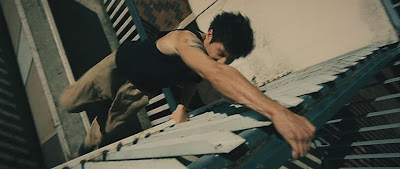
A toss-up between this and Ip Man as the two great action films I saw for the first time this year. I found the damsel in distress in this movie less off-putting than the relentless nationalism of Ip Man (not helped by that of every other Chinese film these past few years, it seems), but your mileage may vary. A perfect collision of bold cinematography and incredible physical prowess.
--Of the books I read:
The City and the City - China Miéville
The greatest achievement of this astonishing book is not just the imaginatively Kafkaesque culture it fleshes out – but also that it manages to be a gripping thriller throughout.
Above the Snowline - Steph Swainston
Although this lacks many of the more imaginative elements of Swainston's other books in the same series, it doesn't suffer from it, and still shows an unflinching veracity that's quite rare in the fantasy genre.
The Windup Girl - Paolo Bacigalupi
Despite embodying a fair few national stereotypes, this vision of a world in drastic decline kept me hooked both by teasing out the details of its bizarre future Thailand and with dramatic developments in its interweaving story threads.
--Comics and manga:
 20th Century Boys - Naoki Urasawa
I imagine this will be here next year as well – an epic series that spans genres, decades and generations. Definitely a contender for my overall favourite thing on this list.
 Pluto - Naoki Urasawa
The great detective Gesicht must find out who's systematically murdering the seven greatest robots in the world – not least because he's one of them. I read this series on the strength of how much I liked Urasawa's 20th Century Boys, and was not disappointed. Note-perfect storytelling frequently leads to deeply moving scenes.
 Biomega - Tsutomu Nihei
Imaginative cyberpunk horror that envisions an almost unrecognisable future – and charts its utter transformation into something even stranger.
--Of the TV shows I watched:
Downton Abbey
Okay, the second series wasn't as solid as the first, but neither was it as appalling as many made out, and the Christmas special was a definite return to form. A beautifully realised period drama that embraces progress rather than fetishising the Good Old Days.
Avatar: The Last Airbender
The first season was pretty good, but the second and third tell an epic story full of likeable characters. For me, this lived up to the hype.
The Shadow Line
A show that was fantastically good only whenever it forgot that it knew it was fantastically good. Abundant with in-your-face symbolism and unnatural dialogue, and yet splendid all the same. Also possessed a perfect storm of acting talent in the form of Chiwetel Ejiofor, Christopher Eccleston and Rafe Spall.
--Of the games I played:
 Red Dead Redemption
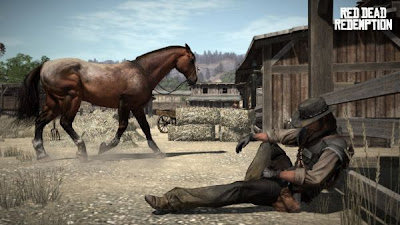
An open-world cowboy-stereotype simulator married to a character-driven shoot-em-up, this has gorgeous landscapes galore and the most unexpectedly likeable lead character.
 Portal 2
Laugh-out-loud funny dialogue, head-scratching puzzles, understated poignancy. The last time I enjoyed the writing of a game this much was Grim Fandango.
 Ghost Trick
A fiendish puzzle game that I found to be addictive and enjoyably challenging, but not so difficult that I needed to resort to a walkthrough. I probably wouldn't have been so sucked in, of course, if the gameplay wasn't so intricately entwined with exactly the kind of colourful characters and meticulously crafted, twisting-and-turning plot that you'd expect from Ace Attorney creator Shu Takumi.
--That's all folks...
--Of the movies I saw:
 The Girl Who Leapt Through Time
Thriving on believable tensions among a cast of likeable characters, this film is by turns funny, bittersweet and heart-warming.
 Monsters
Character-driven, atmospheric science fiction; an otherworldly road movie; eerily memorable.
 District 13
A toss-up between this and Ip Man as the two great action films I saw for the first time this year. I found the damsel in distress in this movie less off-putting than the relentless nationalism of Ip Man (not helped by that of every other Chinese film these past few years, it seems), but your mileage may vary. A perfect collision of bold cinematography and incredible physical prowess.
--Of the books I read:
The City and the City - China Miéville
The greatest achievement of this astonishing book is not just the imaginatively Kafkaesque culture it fleshes out – but also that it manages to be a gripping thriller throughout.
Above the Snowline - Steph Swainston
Although this lacks many of the more imaginative elements of Swainston's other books in the same series, it doesn't suffer from it, and still shows an unflinching veracity that's quite rare in the fantasy genre.
The Windup Girl - Paolo Bacigalupi
Despite embodying a fair few national stereotypes, this vision of a world in drastic decline kept me hooked both by teasing out the details of its bizarre future Thailand and with dramatic developments in its interweaving story threads.
--Comics and manga:
 20th Century Boys - Naoki Urasawa
I imagine this will be here next year as well – an epic series that spans genres, decades and generations. Definitely a contender for my overall favourite thing on this list.
 Pluto - Naoki Urasawa
The great detective Gesicht must find out who's systematically murdering the seven greatest robots in the world – not least because he's one of them. I read this series on the strength of how much I liked Urasawa's 20th Century Boys, and was not disappointed. Note-perfect storytelling frequently leads to deeply moving scenes.
 Biomega - Tsutomu Nihei
Imaginative cyberpunk horror that envisions an almost unrecognisable future – and charts its utter transformation into something even stranger.
--Of the TV shows I watched:
Downton Abbey
Okay, the second series wasn't as solid as the first, but neither was it as appalling as many made out, and the Christmas special was a definite return to form. A beautifully realised period drama that embraces progress rather than fetishising the Good Old Days.
Avatar: The Last Airbender
The first season was pretty good, but the second and third tell an epic story full of likeable characters. For me, this lived up to the hype.
The Shadow Line
A show that was fantastically good only whenever it forgot that it knew it was fantastically good. Abundant with in-your-face symbolism and unnatural dialogue, and yet splendid all the same. Also possessed a perfect storm of acting talent in the form of Chiwetel Ejiofor, Christopher Eccleston and Rafe Spall.
--Of the games I played:
 Red Dead Redemption
An open-world cowboy-stereotype simulator married to a character-driven shoot-em-up, this has gorgeous landscapes galore and the most unexpectedly likeable lead character.
 Portal 2
Laugh-out-loud funny dialogue, head-scratching puzzles, understated poignancy. The last time I enjoyed the writing of a game this much was Grim Fandango.
 Ghost Trick
A fiendish puzzle game that I found to be addictive and enjoyably challenging, but not so difficult that I needed to resort to a walkthrough. I probably wouldn't have been so sucked in, of course, if the gameplay wasn't so intricately entwined with exactly the kind of colourful characters and meticulously crafted, twisting-and-turning plot that you'd expect from Ace Attorney creator Shu Takumi.
--That's all folks...
29.11.11
Almost Monday Movie: Aces High


A year after leaving Eton for the Royal Flying Corps, Major Gresham (Malcolm McDowell) finds that his squadron's much-needed reinforcements consist of a single young man: Croft, an old school-friend and the younger brother of his girlfriend. Although wide-eyed and enthusiastic at first, Croft quickly finds himself rudely introduced to a life where his life expectancy is measured in days.
Aces High is a gritty historical film of the kind you might expect from the late 70s, showing a relatively high degree of accuracy on its subject (especially compared to certain recent movies), perhaps no surprise given that it cites Cecil Lewis' Sagittarius Rising as a source. All in all, a pretty solid depiction of a broad spectrum of aspects of the era - from partying with a downed German pilot, to landing to ask for directions.
10.10.11
3.10.11
Monday Movie: Monsters


Six years after a NASA probe broke up on re-entry, seeding Mexico with giant tentacled monsters, photojournalist Andrew Kaulder is called upon to babysit his boss' daughter as she heads back to North America through the "infected" zone. Although local corruption, US militarism and extraterrestrial migration stand between them and home, their journey proves to be both eerie, illuminating and the start of a deeper bond.
Filmed on a shoe-string budget, featuring local non-actors improvising their lines and emphasising ambience over plot or genre trappings, Gareth Edwards' first feature film, Monsters, is, despite what trailers and blurbs may try to tell you, an alternate world travelogue. It may have its moments of action and tension, but predominantly I found this film to carry a mesmerising atmosphere of strange beauty. It's also, like all smart science fiction films, thematically intriguing - with obvious allegories to issues around immigration, environmental destruction, terrorism and military intervention.
19.9.11
Monday Movie: My Neighbour Totoro


Satsuki and Mei have just moved to the countryside and a decrepit new house beside a towering camphor tree. While their dad tries to cheer them in the absence of their hospitalised mother, they soon begin to realise that the forest is home to strange and magical creatures.
One of the most famous and beloved offerings from director Hayao Miyazaki and Studio Ghibli, My Neighbour Totoro mixes imaginative creatures, beautiful landscapes and everyday childhood to sublime effect.
6.9.11
Almost Monday Movie: The Extraordinary Adventures of Adele Blanc-Sec


When the legendary journalist and travel writer Adèle Blanc-Sec returns from her adventure to secure the mummified physician of Ramesses II she finds Paris besieged by a pterodactyl. And if she wants to cure her seriously ill sister, it turns out she'll have to tame this prehistoric beast...
Les aventures extraordinaires d'Adèle Blanc-Sec is a film likely to please fans of director Luc Besson, carrying all his trademark touches. It's brash, colourful, imaginative, stylish, always perfectly framed and bears that strange mixture of soppy centre and callous edge that he does so well.
It has all Besson's flaws too, of course - the plot is woolly, the characters are barely developed and it lacks focus. But in addition to its Besson-ness, the film has one more saving grace: an engrossingly fun performance from Louise Bourgoin in the title role.
1.8.11
Monday Movie: Ashes of Time Redux


In the middle of a harsh desert, the equally dry Ouyang Feng (Leslie Cheung) makes a living as a middleman between assassins and their clients. As the seasons come and go, all sorts of odd characters come to see him: a cross-dressing princess (Brigitte Lin), a warrior about to lose his sight (Tony Leung), and a woman who hopes to buy vengeance with a basket of eggs and a mule... But as killers and customers come and go, Ouyang Feng's mind is forever on the woman who broke his heart (Maggie Cheung, no relation).
As you should expect from a Wong Kar Wai film, Ashes of Time has no plot or structure to speak of, its draw stemming entirely from its lush visuals and understated emotions. When it comes to the former, WKW and cinematographer Christopher Doyle are at the top of their game. I struggle to think of a more sumptuous and vividly realised film, full of fantastic uses of light, shadow, colour, reflections and, of course, that incredible desert. The emotions, though, while they may simmer quite nicely throughout the film, rarely survive emergence into the harsh sunlight, seeming, to me, somewhat forced.
Whether or not any of the multiple story threads grab you, this film is absolutely 100% high grade beautiful throughout. The fact that it was almost lost to history, leading to this "redux" edit of the surviving footage, is rather scary to consider.
23.7.11
"Kung fu."
This won't be Wong Kar-Wai's first kung fu film, but he's not normally a name associated with the genre. Regardless, it looks about as beautiful as you'd expect, Wong seeming to have found a good alternative to his erstwhile cinematographer Christopher Doyle.
On the topic of post-Doyle WKW films, I should probably get around to dusting off that DVD of My Blueberry Nights and finally watching it...
6.7.11
4.7.11
Monday Movie: Inside Man


When two detectives (Denzel Washington, Chiwetel Ejiofor) attend a bank robbery turned hostage situation, it quickly becomes clear that the cocksure mastermind behind it (Clive Owen) has put a complex plan into motion. As the bank's owner (Christopher Plummer) and his fixer (Jodie Foster) get involved, it even starts to seem that these criminals may not be in it for the money.
Possibly presented as evidence that if director Spike Lee doesn't usually make slick blockbusters, it's because he chooses not to, Inside Man doesn't quite have the 100% airtight plot required by this kind of twisty thriller. It doesn't matter though: it's clever enough, and Lee's confident direction, subversive political themes and strong cast lend it a kind of unassuming brilliance.
22.6.11
Battery Ignition
Portland Cello Project - 'Denmark' from Two Penguins on Vimeo.
Holy crap, those eyes.
30.5.11
Monday Movie: The Station Agent


When Fin inherits a train depot from his only friend, he moves in, hoping to live in solitude. But between the loquacious hot dog vendor who plies his trade nearby, and a clumsy artist keen to apologise for almost running him over (twice), it looks like he's got his work cut out for him.
The Station Agent is a film about a short guy trying not to make friends and failing. It's also, to me, the perfect representation of what I expect from American non-Hollywood movies - slick and good looking, but leisurely paced, with an everyday veracity to its scenes, and overflowing with humanity.
23.5.11
Monday Movie: The King's Speech


"Bertie" is a shy man with a speech impediment. As the younger brother to the heir to the throne, he does have the odd public speaking engagement, but at least he's not going to be king or anything. Actually, having said that... Oh dear. Perhaps an unorthodox, antipodean speech therapist can help?
The King's Speech is an impeccable historical drama charting the unlikely friendship between two men from wildly different backgrounds. Colin Firth's portrayal of an introverted man propelled into overwhelming duty is deservedly Oscar-winning, but the film's also a fantastic ensemble piece, with Geoffrey Rush, Helena Bonham-Carter, Guy Pearce and Michael Gambon all giving engrossing performances, working from a script that breathes life into historical figures without being weighed down by grandeur.
14.5.11
2.5.11
Monday Movie: Ip Man


Living a quiet life in Foshan with his wife and son, Ip Man (Donnie Yen) is nevertheless still frequently called on to exercise his incredible prowess at Wing Chun kung fu to sort out petty feuds and public disorder. But the stakes become life and death when China is invaded by Japan, with starving Chinese bandits threatening his friends, and the occupying army trying to draw him into a brutal martial arts tournament.
Yip Wai-Shun's Ip Man combines beautiful cinematography, a lean and efficient script, sublime action direction from Sammo Hung and a rousing score by Kenji Kawai to create one of the best martial arts films of the past few years. The only niggling dissatisfaction is the fact that this slick, nationalistic action film is supposedly based on the life of a real, flesh and blood man.
Subscribe to:
Posts (Atom)